
norbulingka today
impact and community
Today, Norbulingka Institute is home to a vibrant community of 355 artisans, trainees, administrative staff, and hospitality professionals dedicated to preserving and advancing Tibetan culture. Since its inauguration in 1995, the institute has trained over 185 artists through its intensive apprenticeship programs in thangka painting, statue-making, and woodcarving. In addition, over 100 artisans have received vocational training in tailoring, carpentry, wood painting, and appliqué, strengthening both traditional craftsmanship and employability.
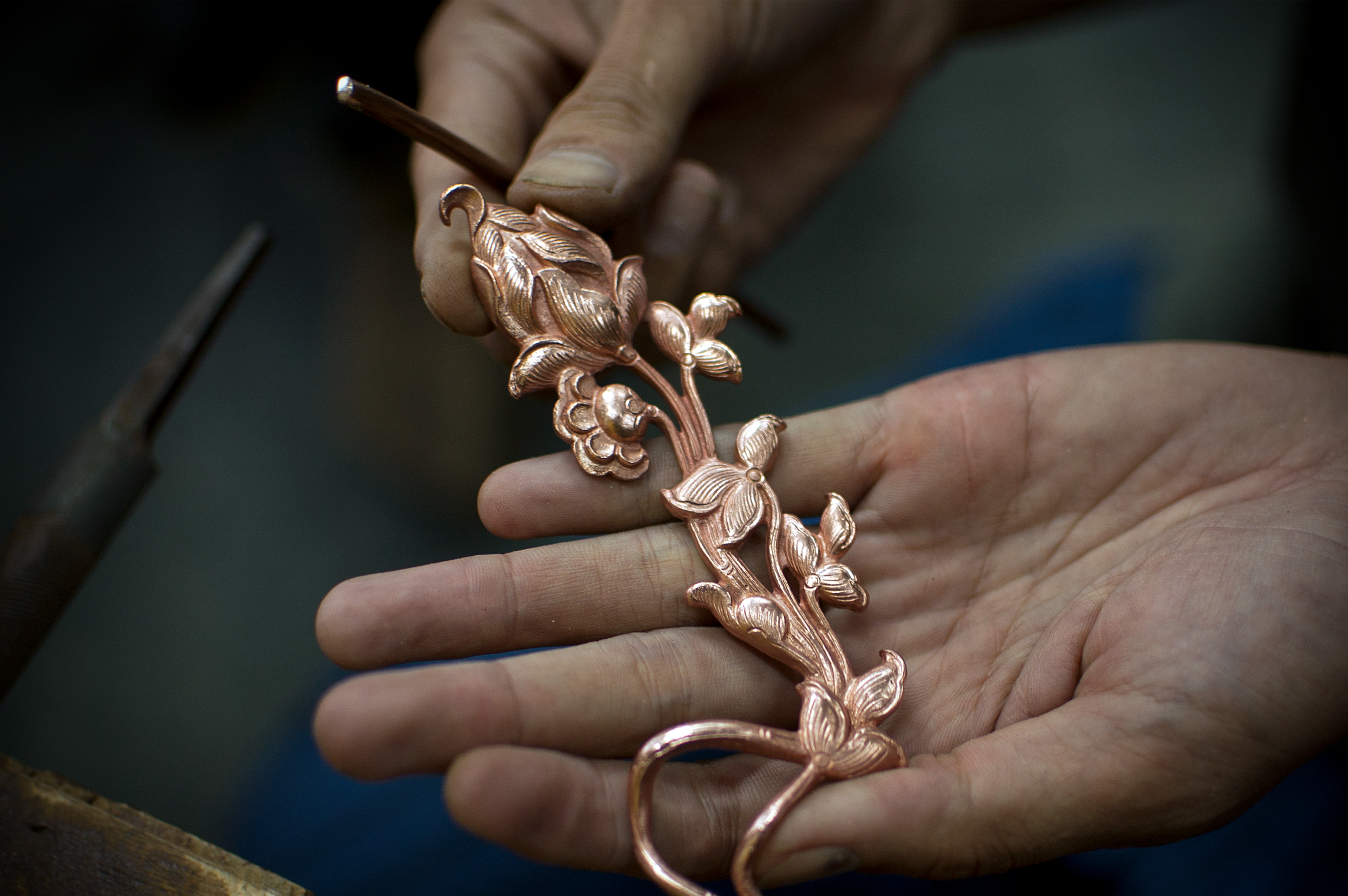
Beyond training, Norbulingka has generated sustainable livelihoods for more than 2,000 individuals, creating meaningful employment while ensuring that Tibetan artistic traditions continue to thrive. Alongside safeguarding classical art forms, the institute has revived rare techniques such as silk appliquéd thangkas and the intricate Kyumbur embossing method, adapting these skills to create contemporary products that carry a distinctly Tibetan aesthetic.
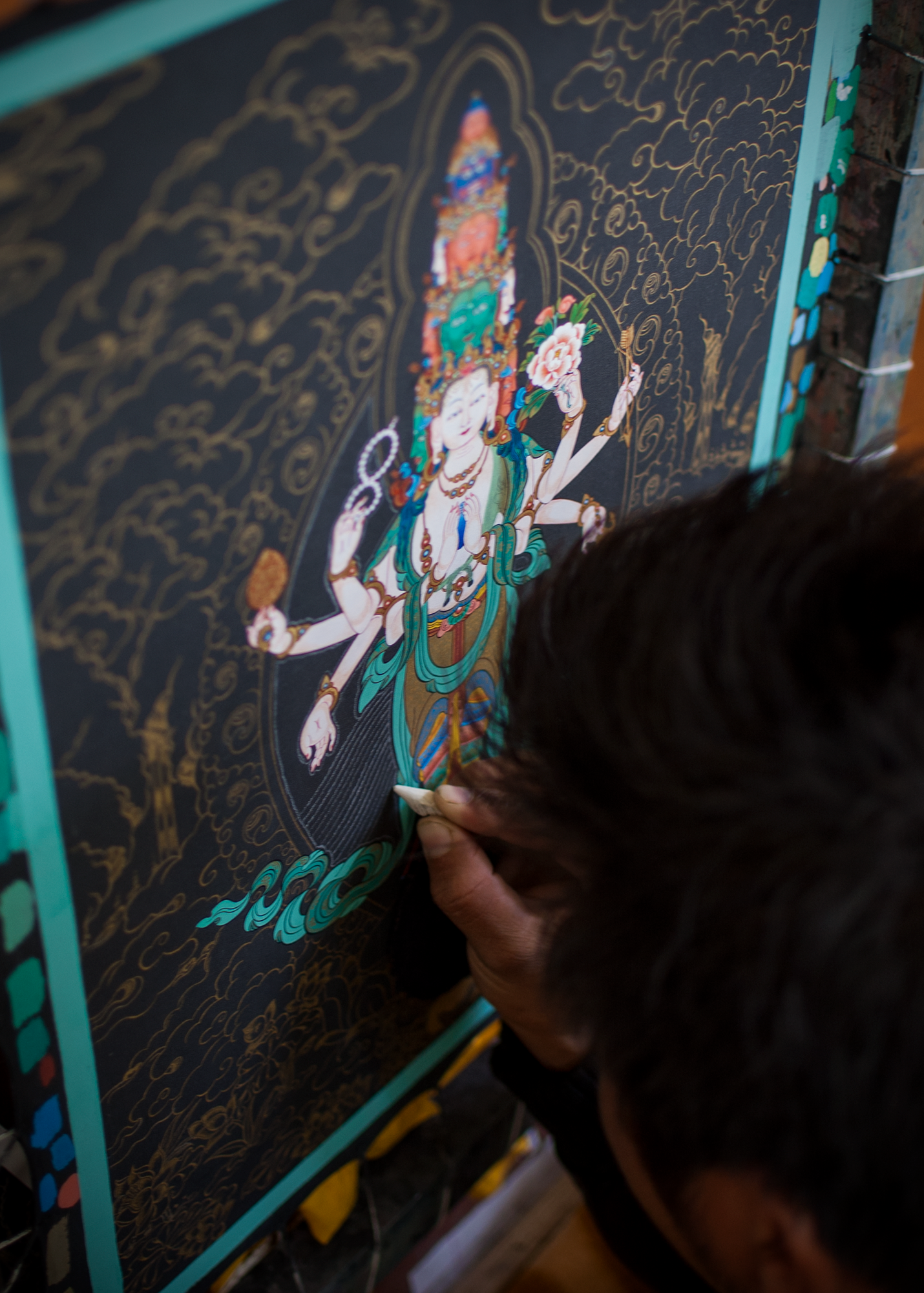
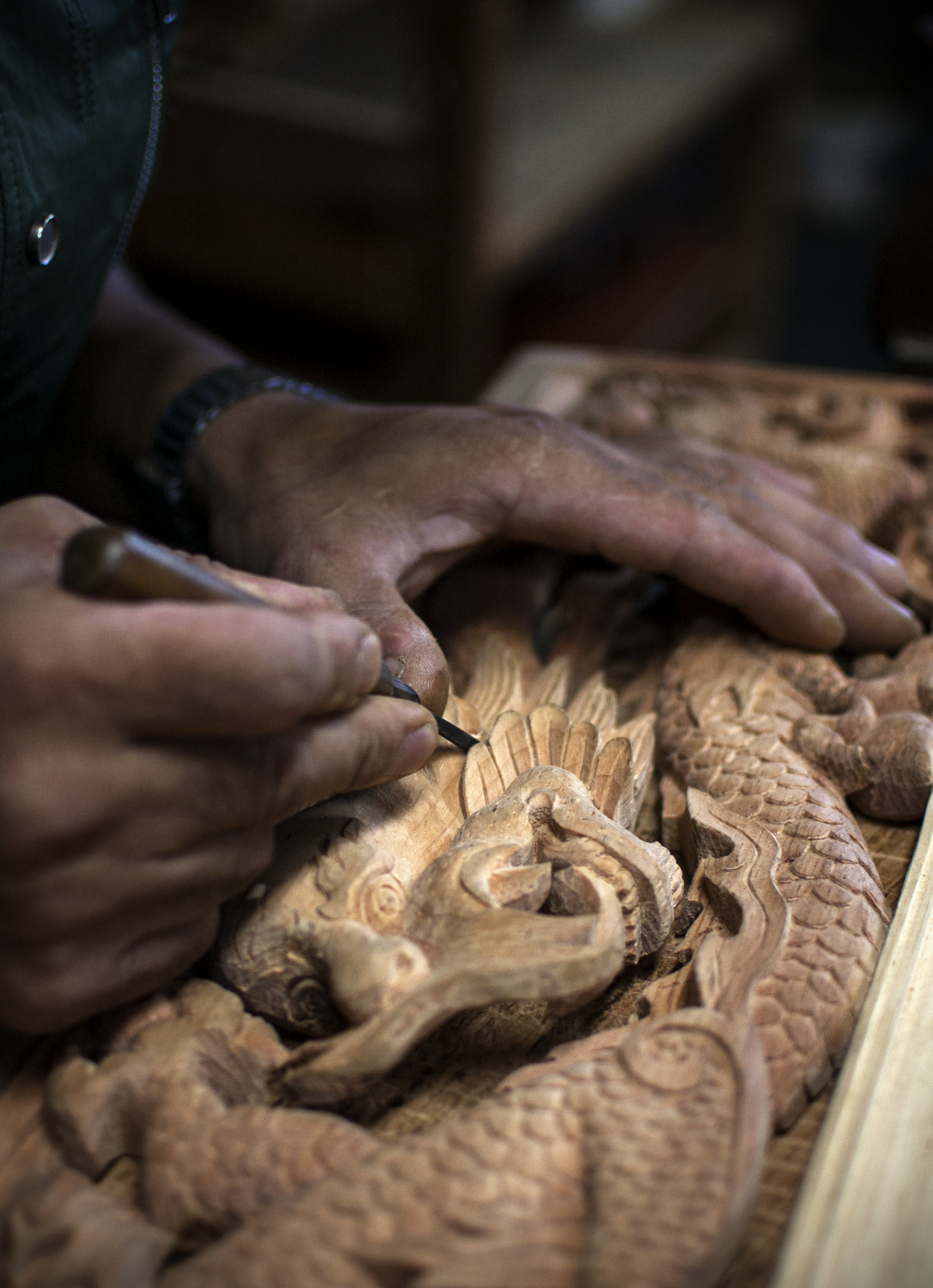
Unlike a museum, Norbulingka is a living institution where heritage is actively practiced, taught, and reimagined for future generations. Its unique integration of education, craftsmanship, architecture, gardens, hospitality, and community life offers an immersive experience of Tibetan culture.
For more than three decades, Norbulingka has sustained its work largely through revenue generated from its art, crafts, hospitality, and cultural programs. While this self-reliant model has enabled the institute to remain independent, it also makes it particularly vulnerable to fluctuations in tourism and global uncertainties. The COVID-19 pandemic underscored these challenges, significantly affecting training, production, employment, and financial sustainability. As Norbulingka looks to the future, it remains committed to strengthening its resilience, sustaining its community, and ensuring that Tibetan artistic heritage continues to flourish for generations to come.